Grid reliability across North America has reached a historic turning point. Between severe winter ice storms, hurricane-force winds, aging utility distribution transformers, and increasing peak summer heatwaves, power outages are no longer rare anomalies—they are regular seasonal events.
When utility grid power drops, the clock immediately starts ticking:
- Food in your refrigerator begins spoiling within 4 to 6 hours.
- Basements risk catastrophic flooding within 2 to 3 hours if a storm knocks out power to your sump pump.
- Medical CPAP machines and home oxygen concentrators become useless.
- During freezing winter snaps, frozen plumbing pipes can burst within 24 to 36 hours.
Choosing the right emergency power system is not about buying the biggest generator on sale. It is about matching your household’s non-negotiable survival circuits to the most reliable fuel source, capacity reserve, and transfer mechanism within your budget.
In this engineering guide, we break down emergency power systems from first principles. We compare modern lithium battery banks against traditional gas/dual-fuel generators, provide a load audit calculation formula, evaluate code-compliant panel connection gear, and rank the top verified outage systems for 2026.
500Wh – 1kWh LiFePO4
Zero fumes, 100% indoor safe. Powers phones, Wi-Fi router, LED lamps, and overnight CPAP.
2kWh – 3kWh Station
Preserves refrigerator & freezer food for 24–36 hrs, runs medical devices and small induction cooktops.
4kWh – 10kWh or Dual-Fuel
Connected to manual transfer switch. Powers furnace blower, sump pump, lights, and kitchen outlets.
15kWh – 30kWh+ Hybrid ESS
Native 240V, automatic transfer (<10ms). Runs 3-ton central A/C, deep well pump, and electric range.
The Four Outage Emergency Tiers: What Are You Protecting?
Before calculating wattages, establish your household’s operational objective during a blackout:
Tier 1: Apartment & Urban Renter Backup (4 to 12 Hours)
- Primary Objective: Communications, lighting, and medical device security.
- Typical Hardware: Compact 500Wh to 1,024Wh portable power station (such as the Anker SOLIX C1000 Gen 2).
- Why Combustion Generators Are Prohibited: Renters and apartment residents cannot store gasoline or run loud exhaust-producing engines on balconies. A compact LiFePO4 battery sits silently on a bedroom nightstand, providing uninterrupted CPAP operation and keeping smartphones charged.
Tier 2: Essential Kitchen & Food Preservation (24 to 48 Hours)
- Primary Objective: Saving $400 to $800 worth of frozen and refrigerated groceries while powering laptops and lighting.
- Typical Hardware: 2,048Wh to 3,000Wh portable power station (like the EcoFlow DELTA 2 Max or Bluetti AC200L), optionally paired with 400W of folding solar panels.
- Operational Reality: A modern inverter refrigerator draws approximately 150W while running with a 35% duty cycle (averaging ~55W continuous). A 2,048Wh battery easily powers the fridge for 24 to 30 continuous hours on a single charge.
Tier 3: Critical Circuit Subpanel Integration (3 to 7 Days)
- Primary Objective: Keeping your basement dry and your family warm during severe winter storms or tropical depressions.
- Target Loads: 1/2 HP Sump pump, gas/oil furnace blower fan (120V), refrigerator, kitchen microwave, and living room circuit.
- Typical Hardware: High-capacity 4kWh to 6kWh expandable battery system (such as the EcoFlow DELTA Pro Ultra or Anker SOLIX F3800), or a 7,500W dual-fuel inverter generator connected to a manual transfer switch (like the Reliance ProTran 2).
Tier 4: Whole-Home Split-Phase Independence (Indefinite Blackouts)
- Primary Objective: Total lifestyle continuity without lifestyle compromises.
- Target Loads: 240V deep well pump, electric clothes dryer, electric vehicle charging, and 3-ton to 5-ton central air conditioning.
- Typical Hardware: Permanent 12kW to 18kW whole-home hybrid inverter (such as the Sol-Ark 15K or EG4 18kPV) paired with 15kWh to 30kWh of stationary lithium energy storage and a rooftop solar array.
Comparing Outage Architectures: Batteries vs. Dual-Fuel vs. Hybrid ESS
No single emergency power source is universally superior. Each architecture comes with specific trade-offs regarding fuel logistics, maintenance, noise, and upfront capital:
| System Architecture | Deployment Speed | Fuel / Energy Source | Indoor Safety | Maintenance & Reliability |
|---|---|---|---|---|
| Portable LiFePO4 Station | Instant (<20ms UPS) | Stored Grid / Solar PV | 100% Safe (Zero Fumes) | Zero maintenance. 10-year battery lifespan. |
| Dual-Fuel Inverter Generator | 5 – 10 Minutes (Manual) | Gasoline / Propane (LPG) | Lethal (Must run 20ft outdoors) | Oil changes every 50–100 hrs. Propane never gums carburetors. |
| Whole-Home Hybrid Solar ESS | Instant (<10ms ATS) | Rooftop Solar + 48V Lithium | 100% Safe (Garage/Wall Mount) | Zero engine maintenance. Continuous infinite solar harvest. |
Why Propane Beats Gasoline for Standby Combustion
If you choose a combustion generator for backup duty, always choose a dual-fuel model and run it on Liquid Propane (LPG):
- Gasoline Degrades in 3 to 6 Months: Ethanol in pump gasoline absorbs moisture and evaporates, forming gummy varnish inside carburetor jets. When a hurricane hits eight months later, the engine will refuse to start.
- Propane Has an Infinite Shelf Life: Propane sealed in standard 20-lb barbecue tanks or a 500-gallon buried homestead tank never spoils or gums fuel lines. It can sit in storage for 20 years and start on the very first pull.
- Gas Stations Lose Power: During wide-scale regional blackouts, neighborhood gas stations cannot pump fuel without electricity. Propane cylinders can be stored safely in advance.
How to Conduct an Emergency Circuit Electrical Audit
To size your outage system accurately, calculate your continuous power draw and account for inductive motor surge:
| Essential Outage Appliance | Running Watts | Starting Surge (LRA) | Daily Consumption (Wh) |
|---|---|---|---|
| Full-Size Refrigerator | 150 W | 1,000W – 1,200W | 1,260 Wh (35% duty) |
| 1/2 HP Sump Pump | 850 W | 3,500W – 4,200W | 680 Wh (Storm duty) |
| Gas Furnace Blower Fan (120V) | 450 W | 1,400W – 1,800W | 2,700 Wh (6 hrs run) |
| Starlink / Wi-Fi Router | 50 W | 50 W (None) | 1,200 Wh (24/7 active) |
| Medical CPAP Machine | 35 W | 45 W (None) | 280 Wh (8 hrs sleep) |
| Total Critical Outage Demand: | 6,120 Wh / day | ||
The Locked Rotor Amps (LRA) Rule
Notice the starting surge column above. Even though the sump pump only consumes 850 Watts while running, its AC induction motor requires over 3,500 Watts for a fraction of a second to start moving. If your power station or generator cannot supply that momentary inrush, the inverter will instantly trip an overload fault, shutting down your home’s backup circuits.
Safe Home Integration: Interlocks, Transfer Switches & Code Compliance
Running heavy extension cords through cracked windows or doors during an ice storm is drafty, dangerous, and invites carbon monoxide fumes indoors. For true emergency security, integrate your outage power source directly into your home’s breaker panel.
Option 1: Mechanical Generator Interlock Kit
A metal sliding plate installed on your existing main service panel that physically prevents the utility main breaker and the generator backfeed breaker from being turned on simultaneously.
Cost: $250 – $600 installed. Full panel flexibility.Option 2: Pre-Wired Manual Transfer Switch
A dedicated subpanel (like the Reliance ProTran 2) with 6 to 10 toggle switches controlling hardwired essential circuits (furnace, fridge, sump pump, kitchen lighting).
Cost: $450 – $950 installed. Safe, isolated, zero overload risk.[!CAUTION] Never Use a “Suicide Cord” (Male-to-Male Plug): Plugging a generator into a laundry dryer wall outlet backfeeds electricity through your entire home and back onto utility power lines. This steps up to thousands of volts through neighborhood transformers, fatally electrocuting utility linemen working down the street to restore power. It is illegal under the National Electrical Code (NEC Article 702) and voids homeowner insurance.
Top Recommended Outage Power Systems for 2026
Based on transfer speed, pure sine wave harmonic stability, surge absorption, and fuel versatility, here are our top-ranked outage power systems:
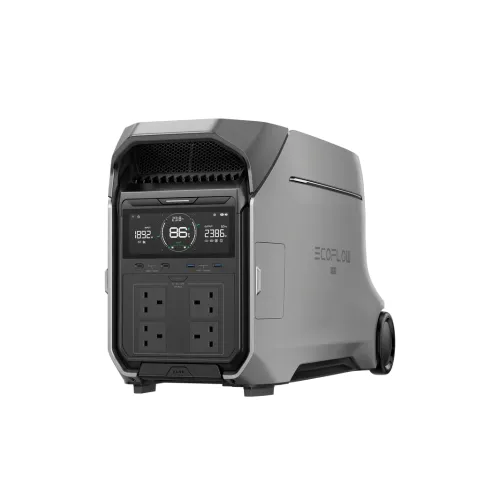
EcoFlow DELTA Pro 3
4,000W (120V/240V) • 4,096Wh LiFePO4 • 10ms UPS
- Native 120V/240V split-phase runs well pumps directly
- Expandable up to 12kWh with plug-and-play batteries
- Sub-10ms automatic transfer switch for home office and CPAP
Check Best Price on Amazon →
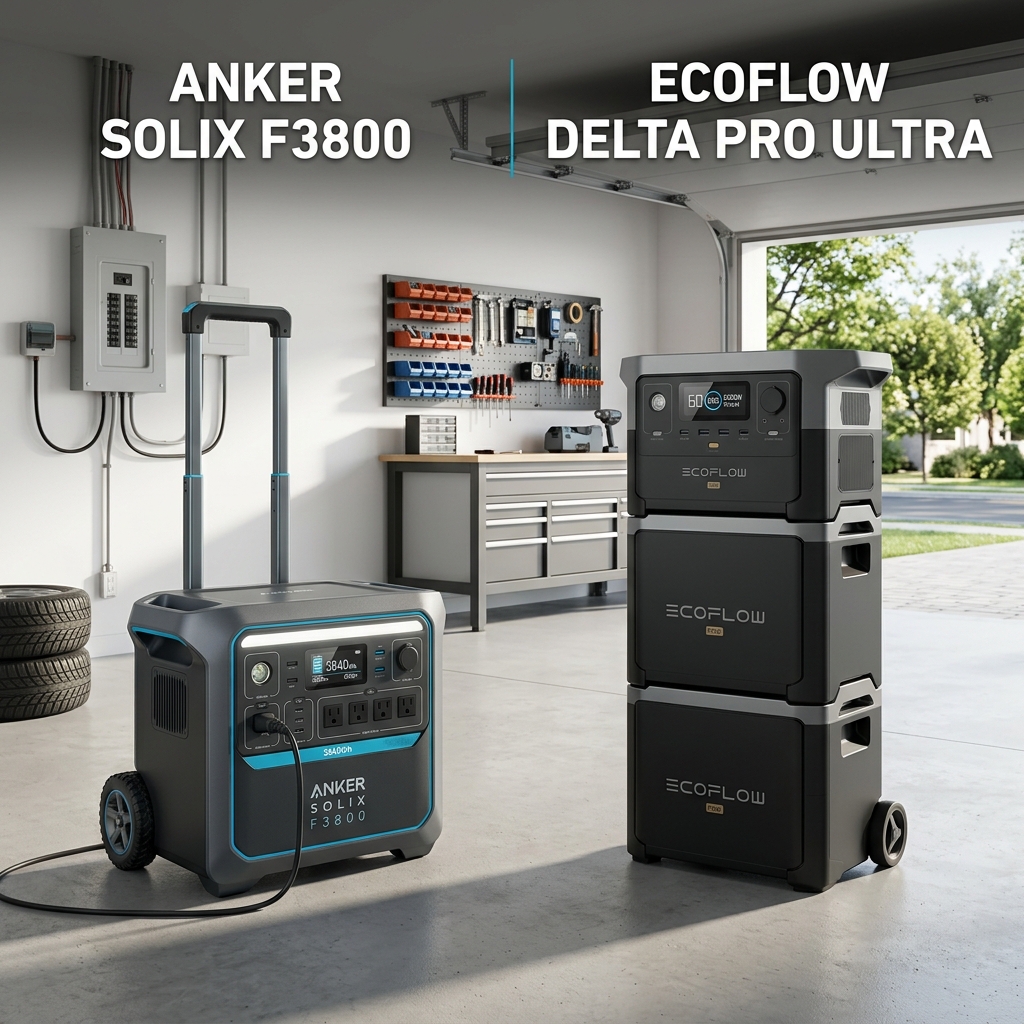
Anker SOLIX F3800
6,000W AC (120V/240V) • 3,840Wh LFP • NEMA 14-50
- Massive 6,000W inverter handles multiple heavy kitchen loads
- Direct NEMA 14-50 EV port charges electric vehicles during outages
- Rollable luggage design with durable industrial wheels
Check Best Price on Amazon →
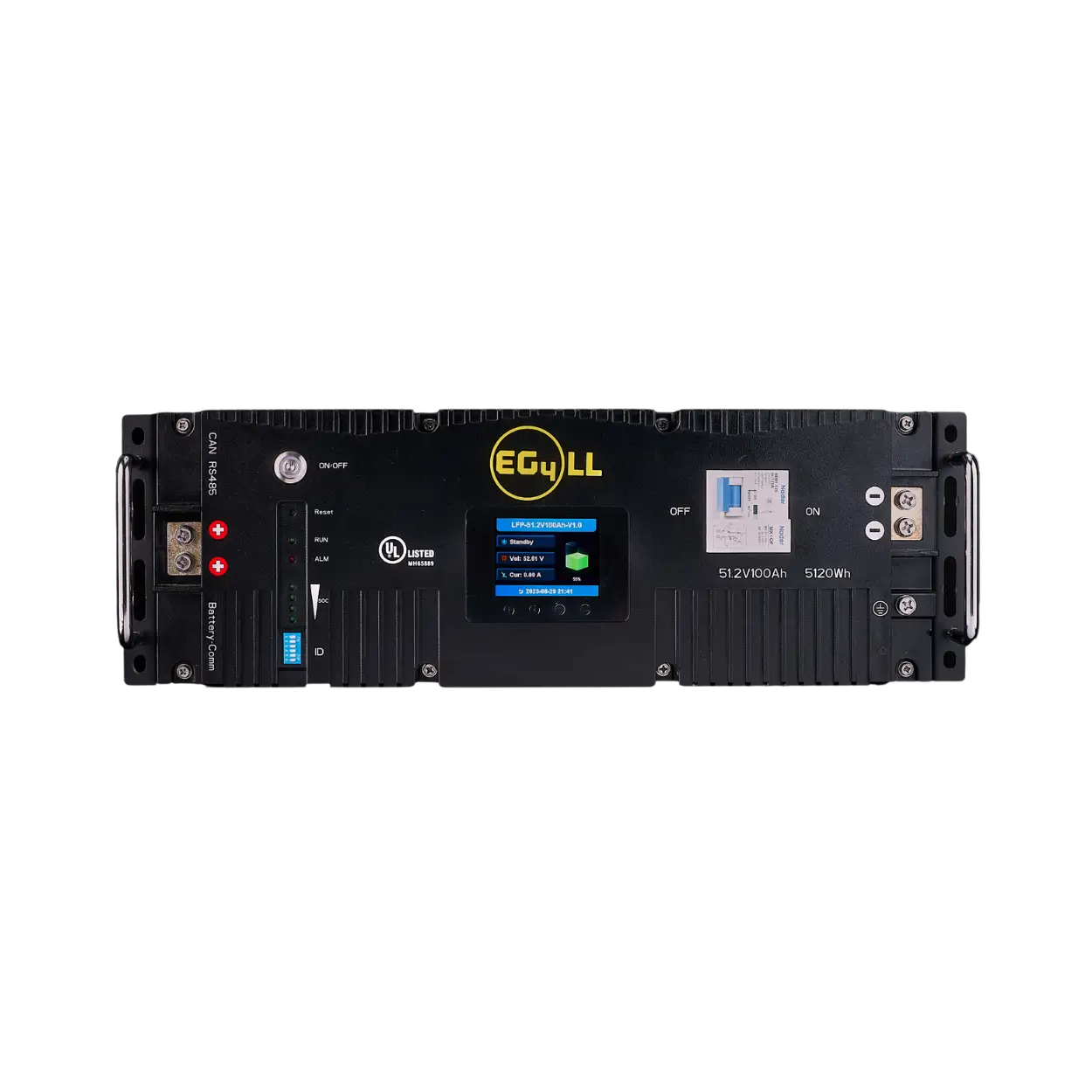
Signature Solar EG4 18kPV
12,000W AC • 14.3kWh PowerWall • 200A Grid Passthrough
- Replaces utility power automatically in under 10 milliseconds
- Powers central air conditioning, well pumps, and full house loads
- Zero-export grid interactive with full solar charging support
Read EG4 18kPV Review →
1. EcoFlow DELTA Pro 3 Emergency Bundle (Best Zero-Permit Whole-Floor Backup)
The EcoFlow DELTA Pro 3 represents the pinnacle of plug-and-play outage resilience. Unlike smaller battery units limited to 120V, the DELTA Pro 3 features native 120V/240V dual-voltage output from a single console, outputting up to 4,000 Watts continuous. It connects directly to an outdoor generator inlet box or a manual transfer switch, powering essential 120V circuits alongside 240V water pressure pumps with zero permits or complex rewiring.
2. Anker SOLIX F3800 Dual-Voltage Power System (Best Direct 240V & EV Outage Power)
With a monstrous 6,000 Watts of continuous inverter output and 3,840Wh of expandable LiFePO4 storage, the Anker SOLIX F3800 is built for heavy electrical loads. It features a built-in NEMA 14-50 EV port, allowing you to top up an electric vehicle or power heavy-duty power equipment during prolonged emergencies. Its rugged luggage-style handle and motorized-grade wheels make it surprisingly easy to roll between your living room and garage.
3. Signature Solar EG4 18kPV Hybrid ESS (Best Permanent Whole-Home System)
For homeowners seeking total grid independence, the EG4 18kPV Whole-Home Hybrid System is the gold standard. Featuring a 200-Amp whole-house service disconnect, it installs directly between your utility electric meter and main breaker panel. When the grid fails, your lights never even flicker—the system seamlessly takes over whole-home circuits, effortlessly running 4-ton central air conditioners, electric water heaters, and induction stoves from its 14.3kWh server rack battery bank.
Six Dangerous Outage Power Mistakes to Avoid
- Running a Combustion Generator Closer Than 20 Feet to Windows: Carbon monoxide () is a colorless, odorless killer that claims dozens of lives following every major hurricane or ice storm. Never run a generator inside a garage, carport, or near open windows—even with the garage door wide open.
- Buying a Pure Gasoline Generator for Infrequent Blackouts: Gasoline with 10% ethanol begins gumming fuel jets in 90 days. Unless you drain the carburetor bowl after every exercise run, your emergency generator will fail when you need it most. Use propane or a lithium battery.
- Assuming a 1,000W Inverter Can Start a Refrigerator: While running power is only 150 Watts, locked-rotor motor inrush routinely demands 1,200W to 1,500W. Always budget for surge overhead.
- Neglecting Battery Off-Season Parasitic Drain: Leaving a power station plugged into a closet without turning off its master breaker allows Bluetooth and BMS circuitry to slowly drain the cells to 0%, permanently bricking the battery. Always check storage levels every 6 months.
- Backfeeding Through Dryer Outlets: Using non-interlocked double-male cords violates electrical code, creates severe fire hazards, and can kill utility linemen working on downstream power lines.
- Failing to Test Under Real Load Before the Storm: Never open a generator or power station box for the first time in the dark during a storm. Test your complete connection protocol, extension cords, and appliance startup in calm daylight conditions.
Frequently Asked Questions (FAQ)
How many hours will a 2,000Wh power station run a refrigerator during an outage?
A modern 20 to 25 cubic-foot residential refrigerator cycles its compressor on and off, averaging approximately 50W to 60W of continuous consumption. Factoring in inverter conversion efficiency (85%) and standby tare loss, a 2,048Wh power station (like the EcoFlow DELTA 2 Max or Bluetti AC200L) will run a refrigerator for 24 to 32 continuous hours without any solar recharging.
Can I connect a portable power station directly to my home’s breaker panel?
Yes, but only through a code-compliant manual transfer switch (such as a Reliance ProTran 2) or a mechanical interlock kit with an outdoor generator inlet box. You must never connect a power station to a breaker panel without a mechanical interlock that physically disconnects your home from the utility grid.
Should I choose a battery power station or a dual-fuel gas generator for hurricane backup?
For short outages (12 to 48 hours), apartment living, and medical devices, a LiFePO4 battery station is superior because it operates silently indoors with zero fumes or fuel storage hazards. For multi-day or week-long winter disasters with heavy electrical heating loads, a dual-fuel generator running on propane provides unlimited runtime as long as you have propane tanks available. Many preppers adopt a hybrid strategy: running the generator during the day to recharge batteries and power heavy appliances, and switching to silent battery power at night.
What size generator do I need to run a central air conditioner during a blackout?
Central air conditioners require immense locked-rotor starting current (often 60A to 80A LRA at 240V, equating to 14,000W to 19,000W of momentary surge). To run a 3-ton to 4-ton central A/C on an emergency generator or 6kW–12kW solar inverter, you must install an aftermarket electronic soft-starter (such as a Micro-Air EasyStart), which reduces starting inrush current by up to 70%.
